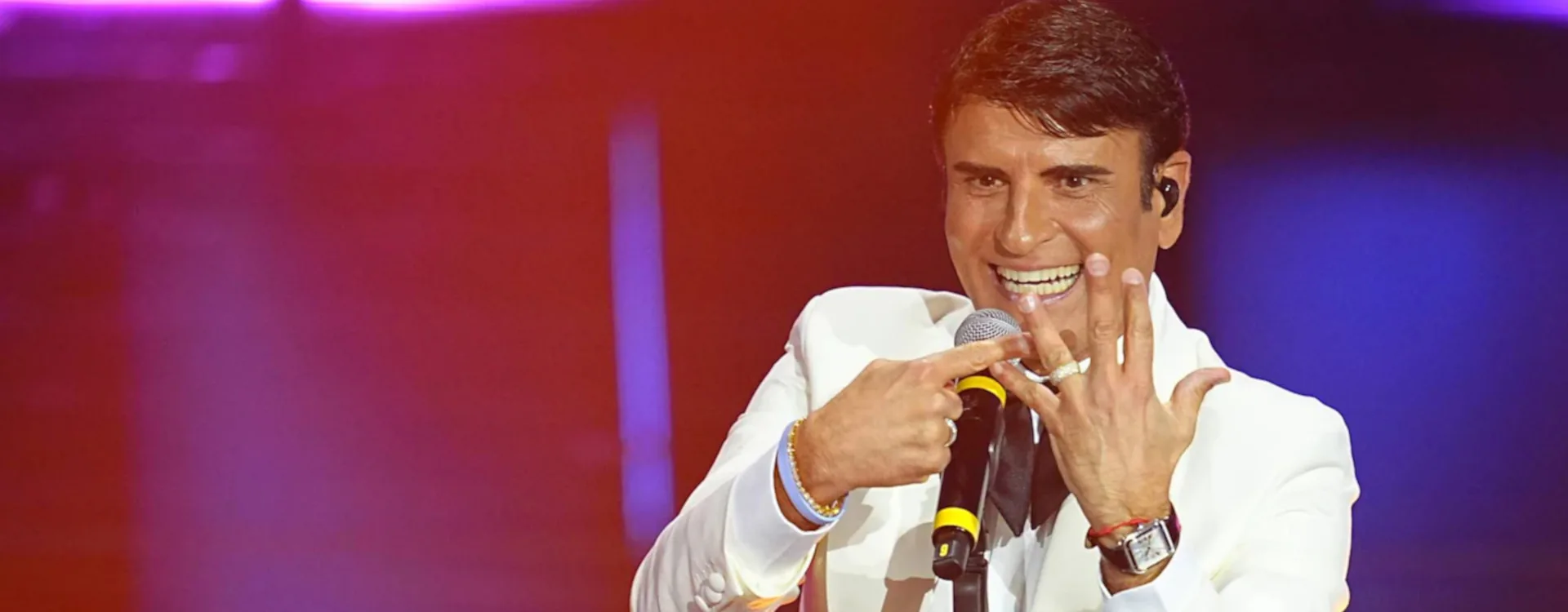
Sanremo 2026 and the Triumph of Banality: When a Mediocre Song Becomes a Winner
Some wins don’t spark debate — they spark discomfort. The 2026 Sanremo victory of “Per sempre sì” is a perfect snapshot of a familiar drift: when formulas get rewarded, what rises to the top isn’t “popular art.” It’s thin writing wrapped in big emotions.
This isn’t “simplicity” (which can be brilliant). It’s lazy simplification: oversized, interchangeable lines that sound “important” because they’re inflated, not because they’re true.
1) An opening made of nothing (dressed up as depth)
Starting with “It all began from the beginning” is not poetry — it’s a tautology wearing a tuxedo. No image. No scene. No tension. Just the performance of intensity while saying absolutely nothing.
2) King and queen: the fairy tale as a narrative shortcut
“I became a king… you a queen” is the oldest cliché in the book: when you can’t describe real people, you turn them into cardboard archetypes. The cost is obvious: no flaws, no ambiguity, no truth — just decorative symbols.
3) Happiness as a brochure: “kids” + “a big house”
“We dreamed of children in a big house” isn’t storytelling — it’s a standardized fantasy bundle. There’s no concrete detail, no place, no gesture. It’s “everything is perfect” as a lyric, designed to be safe and empty.
4) Calendar wisdom masquerading as insight
Lines like “Love isn’t love unless it climbs the steepest hill” work because they’re vague. “The hill” isn’t a scene, a conflict, or an episode — it’s a generic label. It imitates depth while refusing specificity.
5) The most troubling line: “Without you, life makes no sense”
This isn’t romance — it’s a template for emotional dependency. “Without you, life makes no sense” doesn’t say “I love you.” It says “I don’t exist without you.” It frames the other person as an existential crutch and sells self-erasure as devotion.
It’s effective because it’s absolute, dramatic, theatrical. But that’s also why it’s weak: it replaces writing with hyperbole and turns complexity into emotional blackmail (“if you’re gone, I’m nothing”). It’s easy to move people that way. It’s also easy to write that way.
6) “Before God”: borrowed solemnity
When the lyrics can’t carry weight on their own, they raise the stakes with a built-in amplifier: “I promise you before God”. That isn’t poetic courage — it’s borrowed grandeur. Louder doesn’t mean deeper.
7) “Eternity inside a word”: abstraction pretending to be unforgettable
This is the line that wants to become a quote — but it collapses under scrutiny. Which word? Why eternity? In what sense? If a line only works until you actually look at it, that’s not depth. That’s fog.
And the melody? The comfort of predictability
Musically, the track is engineered not to challenge the listener: straight-line structure, expected lift, programmed emphasis. The melody is undeniably easy — and just as undeniably predictable. Recognizable isn’t the same as memorable.
Why a song like this wins
Because it nails the perfect balance between “sounding intense” and “asking nothing.” No details, no edges, no risk — just universal lines everyone can sing without feeling challenged.
Conclusion: the truly depressing part
The saddest part isn’t that songs like this exist. It’s that they win. It signals a system that rewards reassurance over writing, predictability over courage, emotional volume over substance. When rhetoric beats music, it isn’t a victory — it’s a retreat.
Quick Glossary
- Tautology: a line that repeats itself without adding meaning (“it began from the beginning”).
- Rhetoric: “big-sounding” language used to appear deep without concrete content.
- Hyperbole: extreme exaggeration (“life makes no sense without you”) used as an emotional shortcut.
- Emotional dependency: tying your identity/value entirely to another person.