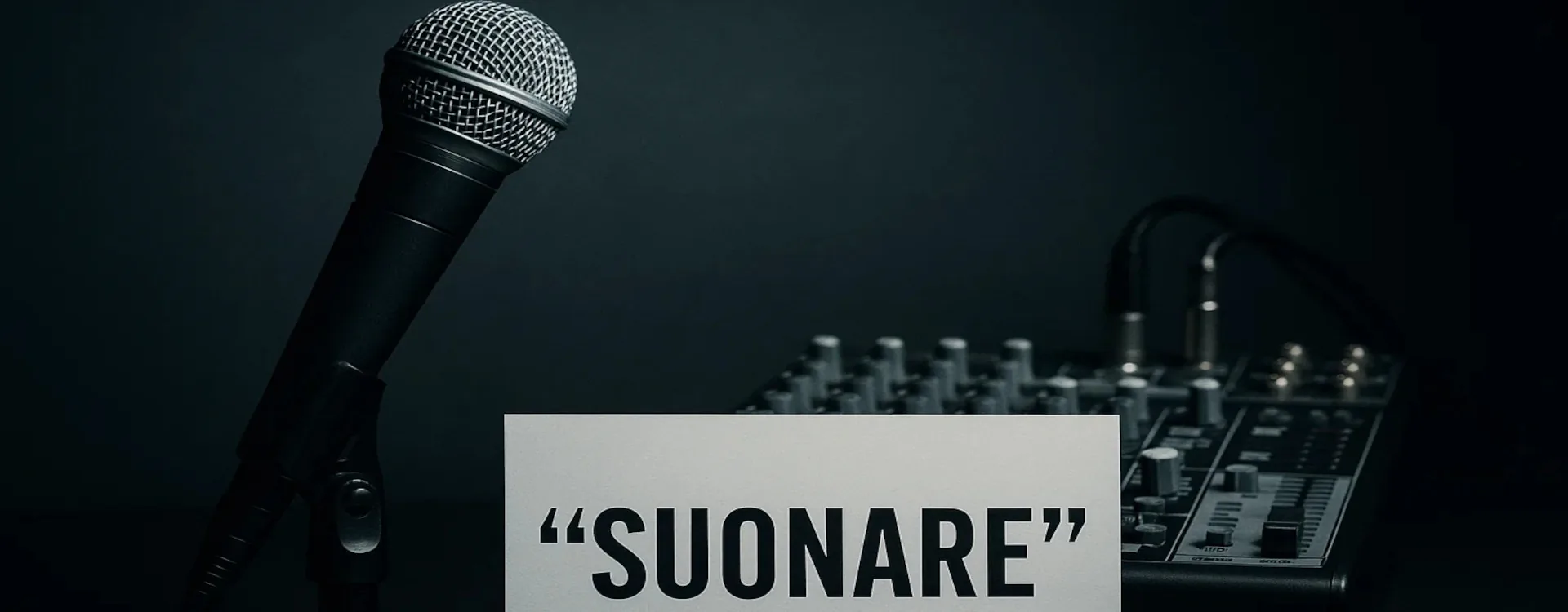
“Playing” without playing: how DJs and today’s music reflect an overrated era
Calling what DJs do “playing” inflates their perceived artistry just as streams and likes inflate musical value. Two parallel distortions—linguistic and cultural—that feed the same illusion.
From “spinning records” to “playing”
For decades, DJs spun music: selection, mixing, rhythm continuity, reading the crowd. With turntablism (which actually makes the decks an instrument), English slang (“to play a set”), and social media, “playing” became a status word. Stylish, yes—but mostly inaccurate.
Why it’s a technical issue, not just linguistic
- Curation ≠ execution: the DJ orders and blends; the musician creates notes and phrasing.
- Machine ≠ gesture: sync and quantization automate; the instrumentalist shapes tone, articulation, and dynamics.
- Expressive responsibility: the DJ builds energy flow; the musician sculpts micro-expression.
Calling both “playing” flattens the differences and rewards appearance over craft.
The word that builds the persona
“Playing” is branding: to play = to be an artist. To “spin” sounds technical, less glamorous. The term reframes perception—exactly what the marketing needs.
The metric dictatorship
- Listening ≠ quality: streams measure exposure, not artistic depth.
- Algorithms favor repetition, short duration, catchy intros.
- Loudness wars: dynamics compressed for playlists and phones.
- Attention economy: staying visible outweighs originality.
Just as “playing” amplifies the DJ’s status, numbers inflate value: more streams = more legitimacy, even when the music is disposable.
Two overestimations feeding each other
- Over-language: calling everything “live” normalizes surface-level performance.
- Over-metrics: chasing algorithms replaces artistry.
- Illusion cycle: strong word + big number = instant validation.
Honest objections (and why they fail)
“A DJ creates a live experience, so they play.” True only when they generate sound in real time—turntablism, finger drumming, live electronics. Otherwise, it’s a performance, not playing.
“Numbers don’t lie.” They measure reach, not artistic worth. Attention isn’t artistry.
A vocabulary that gives value back
- Selector/curator (genre, mood, energy arc)
- Mixer (transitions, beatmatching, EQ)
- Performer (controllerism, live effects)
- Turntablist (decks as instrument)
- Live set (real-time synthesis)
- Concert (instrumental/vocal execution)
Naming things precisely doesn’t reduce value—it restores it.
Beyond streams: better listening criteria
- Dynamics, arrangement, harmonic progression, timbre.
- Longevity: does it endure after months or years?
- Context: does it work live, in headphones, on hi-fi systems?
- Signature: can you recognize the author without reading the name?
Conclusion
We’ve let strong words (“play”) and big numbers (streams) replace substance with status. It’s understandable—but harmful to musical culture.
- DJs: own your craft. When you truly play, say so; when you perform or curate, say it clearly.
- Listeners: stop worshipping metrics. Ask music to last, not just trend.
- Industry: drop the lexical makeup. Clarity doesn’t kill value—it grounds it.
As long as we use words and numbers as distorting mirrors, we’ll keep confusing entertainment with music, performance with musicianship, and popularity with quality.