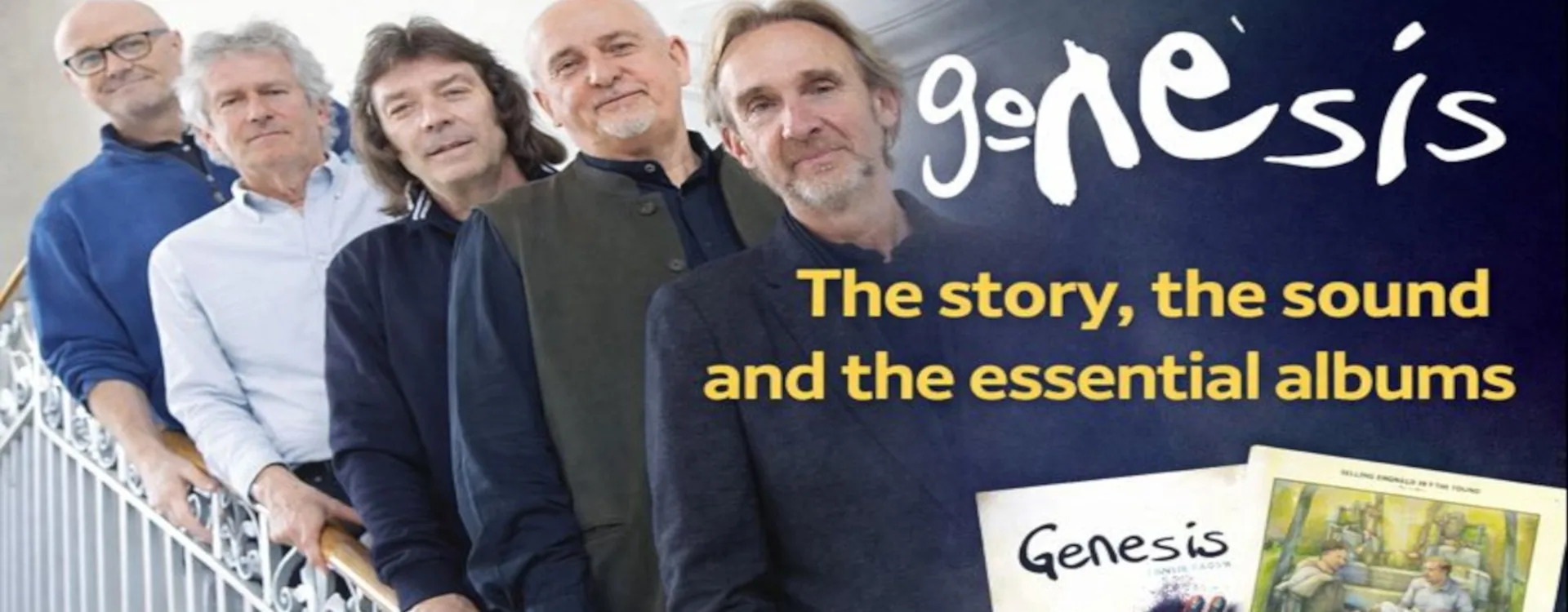
Genesis are not just one of the most influential British bands of all time. They are a story of constant transformation: from theatrical progressive rock to sophisticated pop, from long-form storytelling to stadium anthems. This guide explores who they were, how their sound evolved, and which albums best represent each phase of their journey.
Who Genesis really were
Formed in England at the end of the 1960s, Genesis began as a school band and quickly developed into one of the defining names of progressive rock. Their career is marked by radical shifts: the surreal, theatrical era led by Peter Gabriel, the transition years, the global success with Phil Collins as frontman, and the more reflective final phase of the 1990s.
Despite these changes, one element never disappeared: a compositional mindset. Genesis always approached songs as structures to be built carefully, with attention to atmosphere, dynamics and long-term impact.
Understanding the Genesis style
The common shortcut is to say “prog first, pop later”. The reality is more interesting. Genesis always balanced two forces: narration and impact. What changed over time was the proportion between them, not the philosophy.
- Early 1970s: long compositions, complex arrangements, surreal storytelling.
- Late 1970s: tighter structures, more melody, still ambitious.
- 1980s: modern production, synthesizers, radio and stadium appeal.
- 1990s: mature tone, irony, introspection and reflection.
- Throughout: a band thinking like composers, not trend followers.
A defining anecdote
One of the most iconic aspects of early Genesis concerts was the theatrical element: costumes, characters, storytelling on stage. This was never just visual spectacle—it was a way of making the music visible. Genesis concerts were immersive experiences, not simple performances.
The albums and the eras: a guided journey
1) Foundations of progressive rock (1970–1971)
In the early 1970s, rock music across Europe was expanding its ambitions. Genesis embraced this spirit and began shaping a distinctive progressive sound.
Trespass is often considered the album where their true identity emerged: atmospheric, dramatic and carefully structured.
2) The golden theatrical era (1971–1974)
This period defines “classic Genesis” for many listeners. Fantasy, symbolism and long-form compositions dominate the music.
Nursery Cryme and Foxtrot refine the formula, while Selling England by the Pound is widely regarded as a peak: elegant, complex and deeply melodic.
The Lamb Lies Down on Broadway pushes everything to the limit: a double concept album, urban, visionary and demanding, marking the end of an era and the beginning of a transformation.
3) Transition and reinvention (1976–1978)
After major changes, Genesis chose reinvention over repetition. Songs became more compact, melodies more direct, while complexity moved beneath the surface.
A Trick of the Tail introduces a brighter, more accessible sound. Wind & Wuthering follows with a more melancholic, autumnal mood. …And Then There Were Three closes the decade by balancing ambition and immediacy.
For a powerful snapshot of this era on stage, Seconds Out remains one of the most celebrated live albums.
4) Entering the modern era (1979–1983)
As punk and new wave reshaped the musical landscape, Genesis adapted without abandoning their identity.
Duke and Abacab mark this shift: stronger rhythms, modern production and concise songwriting. The progressive spirit survives inside the arrangements.
With Genesis (1983), the band fully embraces a sleek, contemporary sound while maintaining depth and atmosphere.
5) Global success and stadium pop (1986)
Invisible Touch defines the MTV era for Genesis. Big hooks, polished production and massive tours, all supported by the band’s trademark attention to detail.
6) Maturity and reflection (1991–1997)
We Can’t Dance presents a more mature, sometimes darker tone, mixing irony, introspection and large-scale ambition.
Calling All Stations captures the final studio phase of the 1990s, offering a different but intriguing perspective on the Genesis identity.
Shop: selected Genesis albums (click the cover)
Below is a wide selection of Genesis albums with direct links to the shop. If you want to browse everything available, you can also access the full list.

Trespass
The foundations of the Genesis progressive sound.

Nursery Cryme
Theatrical storytelling and early prog mastery.

Foxtrot
Epic compositions and visionary arrangements.
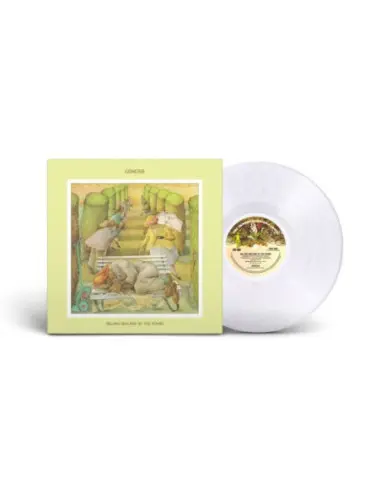
Selling England by the Pound
Often considered the definitive Genesis album.
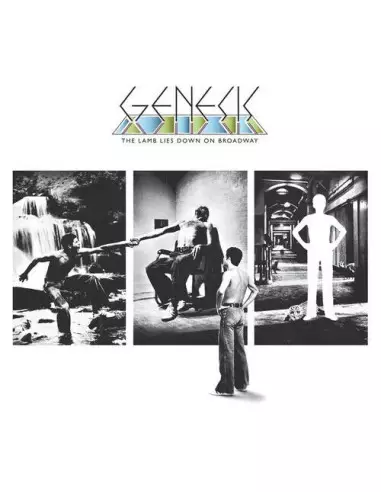
The Lamb Lies Down on Broadway
A daring double concept album.
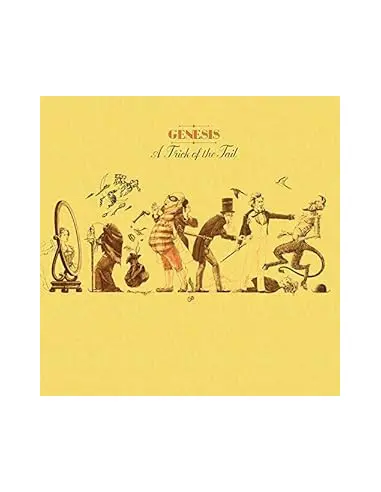
A Trick of the Tail
A new era begins with elegance and melody.

Wind & Wuthering
Refined, melancholic and deeply atmospheric.

…And Then There Were Three
The bridge between prog and pop.
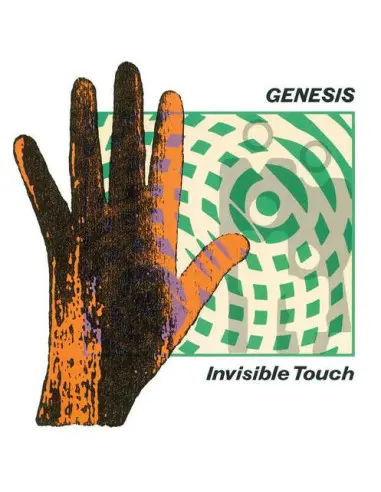
Invisible Touch
Stadium pop at its most refined.
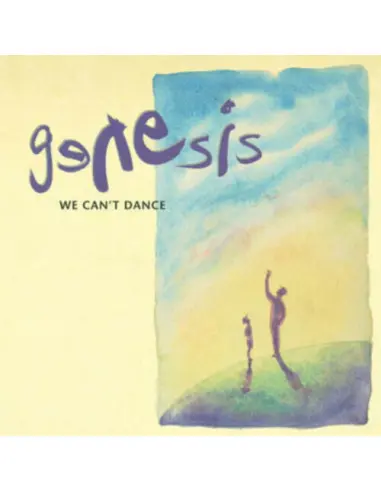
We Can’t Dance
Maturity, irony and large-scale ambition.
If you had to choose just one album…
For classic progressive rock: Selling England by the Pound.
For a complete narrative journey: The Lamb Lies Down on Broadway.
For the stadium-era sound: Invisible Touch.
For a quick overview: Turn It On Again – The Hits.
Glossary
- Progressive rock: rock music characterized by complex structures and ambitious concepts.
- Concept album: an album built around a unified theme or narrative.
- Arrangement: the way musical elements are structured and layered.
- Stadium rock: large-scale rock designed for big venues and mass audiences.